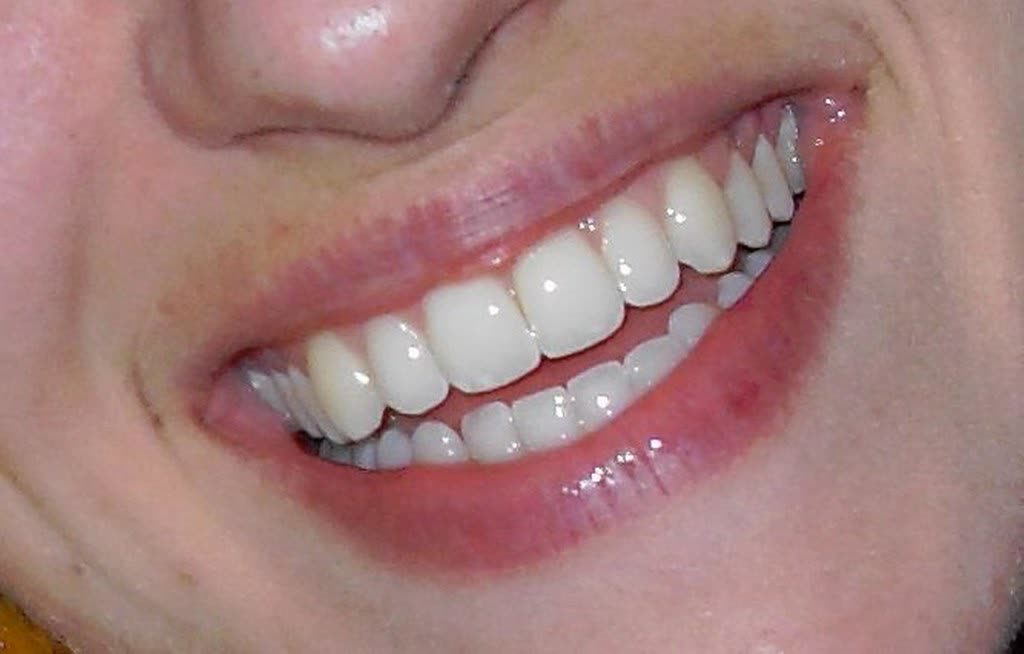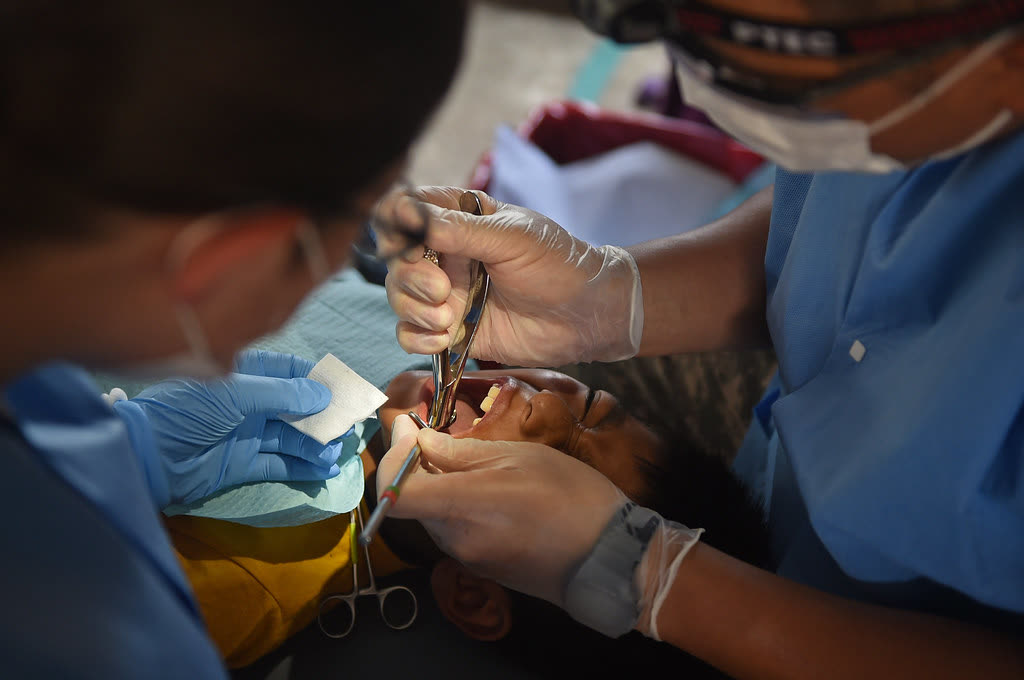
- Teeth becoming sensitive to cold or sweet food and drink is a common side effect of whitening. It's usually short-term.
- A sensitive-teeth toothpaste, a break from whitening and avoiding very cold or acidic food and drink usually help.
- Only a dentist, or a dental hygienist or therapist working to a dentist's prescription, should whiten your teeth. Salon whitening is not legal in the UK and can damage teeth and gums.
Whiter teeth can be a real confidence boost, but for many people the first few days come with an unwelcome side effect: sudden, sharp twinges when they sip a cold drink or bite into something sweet. The good news is that whitening sensitivity is common, usually temporary, and there's plenty you can do to ease it.
Why whitening makes teeth sensitive
Whitening gels use strong bleaching chemicals that pass through the enamel to lighten the colour of the tooth underneath. While that's happening, the tooth can become more reactive, and hot, cold and sweet things are more likely to reach the nerve and cause a quick jolt of pain.
The NHS lists teeth becoming sensitive to cold or sweet food and drink as one of the side effects of professional whitening, along with sore or irritated gums. These effects are usually short-lived, and your dentist can give you advice or products to help.
You may be more likely to notice sensitivity if:
- your teeth were already sensitive before you started;
- you have worn enamel or receding gums;
- whitening trays don't fit well, so gel leaks onto your gums;
- you wear trays for longer, or more often, than you've been told.
How to ease whitening sensitivity
- Tell your dentist. They may suggest wearing trays for shorter periods, spacing out treatments, or using a product to calm sensitivity.
- Take a break. Pausing whitening for a few days often lets your teeth settle before you carry on, if your dentist agrees.
- Use a toothpaste for sensitive teeth twice a day. Start a week or two before whitening if you know your teeth are prone to sensitivity.
- Spit, don't rinse after brushing, so the toothpaste keeps working.
- Avoid very cold, hot, sweet or acidic food and drink for a few days. A straw can help keep cold drinks away from your teeth.
- Brush gently with a soft brush, rather than scrubbing.
- Use a pharmacy painkiller if you need one, as the packet directs.
Don't keep going through pain. Wearing trays for longer than you've been told, or using extra gel, won't make your teeth whiter faster. It's more likely to make sensitivity and gum irritation worse.
How long does it last?
Whitening sensitivity is usually temporary and settles once treatment stops or after a short break. If it's still bothering you after you've finished, or it's getting worse rather than better, see your dentist, as there may be another cause, such as decay or a cracked tooth. Our guide to sensitive teeth explains the other common causes.
Shop-bought and salon whitening
Whitening strips, gels and paint-on products you can buy contain only a very small amount of whitening ingredient. The Oral Health Foundation says they may remove some surface stains, but they usually don't change the natural colour of your teeth much.
In the UK, tooth whitening must only be carried out by a registered dental professional: a dentist, or a dental hygienist or therapist working to a dentist's prescription. Having it done by someone without dental training, such as in a beauty salon, can permanently damage your teeth and gums. You can check that someone is registered on the General Dental Council website.
Whitening also isn't suitable for everyone. The NHS says it isn't done for anyone aged 17 or under, or for people with unhealthy teeth or gums, and it only lightens natural teeth, not crowns, dentures or implants. Your dentist should check your teeth and gums before you start.
When to stop and see a dentist
Stop whitening and contact your dentist if you have pain that lasts more than a few seconds after a trigger, pain in one tooth that's getting worse, throbbing pain that comes on by itself, or gums that are blistered, white or very sore. If you can't reach your dentist, NHS 111 can help you find urgent dental care.
Get urgent help if you have swelling in your face or gums, or a high temperature. In an emergency, such as swelling that spreads to your eye or neck, or difficulty breathing or swallowing, call 999 or go to A&E.
Where this guide comes from
First published 19 November 2026. Checked against the sources above on 19 November 2026. How we write and source our guides.