- A dental abscess is a build-up of pus caused by a bacterial infection in a tooth or the gum around it.
- It needs a dentist. Painkillers and home care can ease the pain, but they can't clear the infection.
- Swelling that spreads to your eye or neck, or difficulty breathing or swallowing, is an emergency.
Of all the causes of toothache, a dental abscess is the one you most need to take seriously. It's an infection, and unlike many minor aches it won't settle down on its own. The good news is that it's very treatable, and the sooner it's treated, the simpler that usually is.
What is a dental abscess?
An abscess is a pocket of pus that forms when bacteria infect part of the tooth or gum. There are two main types:
- A periapical abscess forms at the tip of the tooth's root, usually because decay or a crack has let bacteria reach the nerve inside the tooth.
- A periodontal abscess forms in the gum next to a tooth, often linked to gum disease.
Signs of a dental abscess
- intense, throbbing pain in a tooth or the gum, which may come on suddenly and get steadily worse;
- pain that spreads to your ear, jaw or neck on the same side;
- pain that's worse when you lie down, or when you bite;
- a red, swollen gum, sometimes with a small, pimple-like lump;
- swelling in your face or cheek;
- a bad taste or smell in your mouth, which may be pus draining;
- a loose or discoloured tooth;
- a high temperature, or feeling generally unwell.
If the pain suddenly stops, don't assume it has gone away. That can happen when the nerve dies or the abscess bursts, but the infection can still be there and can spread.
What to do while you wait for a dentist
- Contact a dentist today. Explain that you think you have an abscess. If you can't get an appointment, NHS 111 can help you find urgent dental care.
- Take a painkiller as the packet directs. Ibuprofen or paracetamol can help with the pain.
- Rinse with warm salt water to keep the area clean.
- Use a soft toothbrush and keep brushing gently, including around the sore tooth.
- Avoid very hot, cold or sugary food and drink, and chew on the other side.
Don't squeeze or pop the swelling, don't put heat on your face, and don't use leftover antibiotics. Antibiotics alone don't cure an abscess, and a dentist will decide whether you need them.
How a dentist treats it
The main aim is to drain the pus and remove the source of the infection. Depending on the tooth, your dentist may:
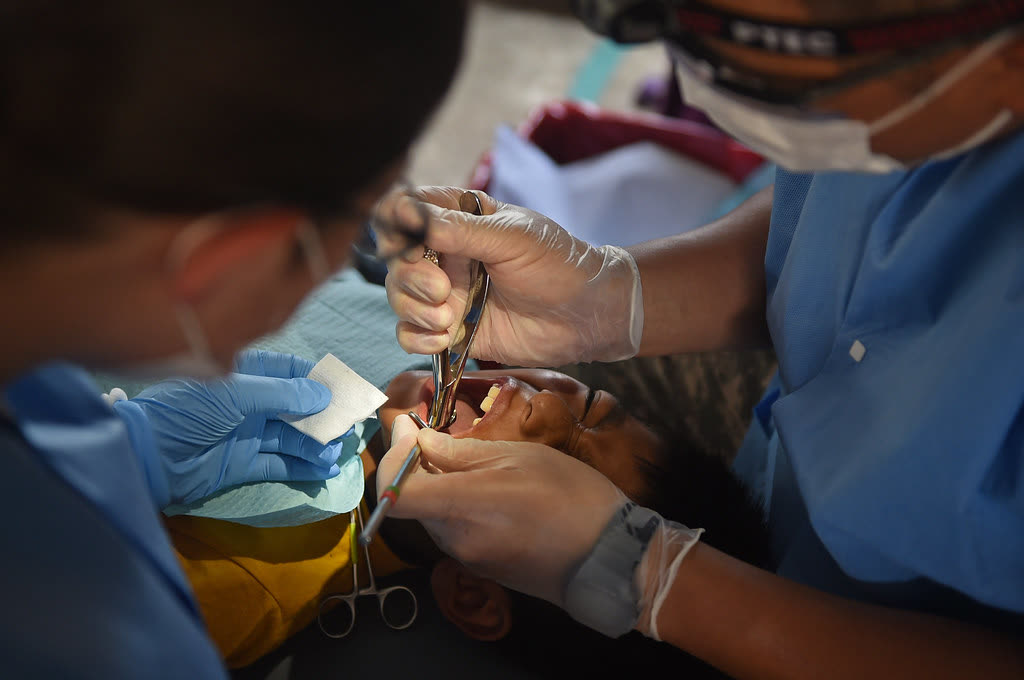
- drain the abscess through the tooth or with a small cut in the gum, under local anaesthetic;
- carry out root canal treatment to remove the infected nerve and save the tooth;
- take the tooth out if it can't be saved.
Antibiotics may be prescribed if the infection is spreading or you're unwell, but they're used alongside treatment, not instead of it.
When it's an emergency
Occasionally a dental infection spreads to the face, neck or bloodstream, which can be dangerous.
Call 999 or go to A&E if swelling spreads to your eye or neck, you have difficulty breathing, swallowing or speaking, you can't open your mouth, or you feel very unwell with a high temperature, a racing heart or confusion.
Where this guide comes from
First published 19 November 2026. Checked against the sources above on 19 November 2026. How we write and source our guides.